
Dr. Aruna Ashok MBBS, MS OG, DNB OG
- Clinical Director


 Aruna Ashok | 16 July 2023
While some women barely feel discomfort during periods, others may struggle even to walk. In such cases, it is normal to be concerned about what to eat and what not to eat to ease these cramps
Papaya is the most talked-about fruit when it comes to periods. That’s primarily because of its warming properties. Remember that in traditional medicine, papaya is widely used to support menstrual health. While it’s not a magical cure, its nutritional profile played a huge role
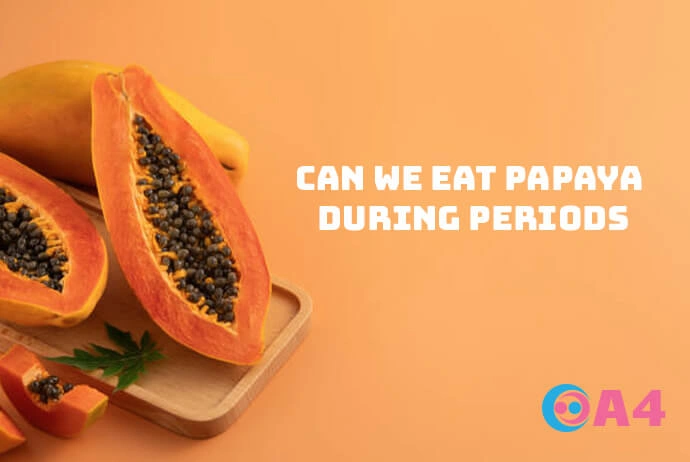
Read on if you are wondering about “can we eat papaya during periods”?
Papaya, especially in its raw or semi-ripe form, is believed to offer dual benefits in supporting menstrual health – regulating menstrual cycle and relieving discomforts like cramps and bloating
Papaya contains the enzyme papain, which helps relax the uterine muscles. When consumed during periods, it relieves abdominal cramps and pain. The fruit is also rich in potassium and magnesium, which directly help to ease the overall muscle spasms.
If you are struggling with irregular periods, papaya can help. In traditional medicine, raw papaya is often used to bring on delayed periods. This is possible because of the enzyme papain in the fruit. It works by stimulating the uterine contractions, thereby inducing periods.
It is generally expected to work within 2 to 5 days, though the days may slightly vary from person to person.
Papain, found abundantly in raw papaya, aids digestion and reduces bloating by breaking down the complex protein into smaller amino acids. This accelerates digestion faster and alleviates symptoms like gas and bloating. Its high fibre content also helps with relieving constipation, while anti-inflammatory properties reduce bloating –common discomforts during periods.
If you are extremely tired during periods, eat papaya. It can be due to the blood loss. The fruit is rich in vitamin C, which is crucial for supporting iron absorption. When consumed during periods, it aids in converting iron into a form that the body can more easily absorb from other sources. This ultimately helps to provide energy and combats tiredness during menstruation. Papaya also contains folate (Vitamin B9), an important nutrient for blood formation, which supports overall menstrual health.
The significant amounts of vitamin A, C, and E in papaya can support immune health, which tends to drop during periods in some women.
While papaya is often highlighted for regulating menstruation, it also plays a role in supporting fertility.
The regular, moderate consumption of ripened papaya can aid in repairing tissues and maintaining a healthy uterine lining. This can significantly contribute to successful implantation.
The nutrients and vitamins in papaya act as antioxidants, which help to neutralise oxidative stress. Oxidative stress in females can directly affect oocyte (egg) quality and normal ovulation, thereby causing fertility challenges.
While aiding in the proper shedding of the uterine lining (proper menstrual flow), papaya can regulate hormones. This can directly support the ovulation cycle.
By aiding in digestion, the enzymes in the fruit can maximise the absorption of nutrients necessary for reproductive health, including folate, vitamins A, C, E, magnesium and potassium.
Note: While raw or semi-ripe papaya can be consumed during periods to aid in regulating flow, it should be avoided when actively trying to conceive or during pregnancy.
Eating papaya during periods is generally safe and beneficial. But at times, it can cause potential risks, which may include :
Increased Menstrual Flow : While papaya can aid in menstrual flow, excessive consumption of unripe papaya can lead to heavier flow. This can happen as the high latex and papain content in the raw fruit triggers uterine contractions similar to labour
Digestive Issues : Consuming too much papaya – particularly on an empty stomach – can overwhelm the digestive system. This can cause symptoms like diarrhoea, abdominal cramps, bloating, and gas. This primarily happens due to the high fibre and the enzyme papain in the fruit
Allergic Reactions Certain enzymes in papaya can trigger allergic reactions in sensitive individuals. These reactions are often present with symptoms affecting the mouth and skin, such as hives, swelling, and itching.
Interaction with Medications If you are on medication for diabetes, thyroid, blood-thinners, or blood pressure, consult a doctor before consuming raw papayas. This is because these medications can interact with the enzymes (latex and papain) in the raw papaya and affect the body.
Papaya provides significant nutritional benefits for menstrual health by regulating cycles, supporting hormonal balance, and easing cramps. It can make wonders when consumed correctly.
While it’s a powerful ally in menstrual care, pregnant women should avoid eating unripe or semi-ripe papayas.
1. Is eating papaya during periods good or bad?
Eating papaya during periods is generally good and safe. It can help alleviate menstrual cramps and induce menstrual flow
2. Does papaya increase blood flow during periods?
The answer to the question is yes. Papaya can potentially increase blood flow, particularly when consumed in large amounts or unripe papaya during periods
3. How to eat papaya to get periods immediately?
Eating a cup of unripe papaya daily for at least 4 to 5 days before you hope for your period to arrive can induce periods. You can eat it as a smoothie, salad, or juice. For better results, pair it with warm foods like sesame and ginger
4. When to eat papaya to get periods, morning or night?
To get periods, prefer to eat unripe or semi-ripe papaya in the mid-morning or after lunch as a snack. It should be consumed in moderation for a few days to induce periods
5. Can we eat papaya during periods at night?
The answer to the question is yes. It is generally safe to eat papaya during periods at night to help relieve menstrual cramps and enhance digestion


